Gardening is the word of the day. It could be because of the economy, but mostly it is because people realize that their food supply is not what they would like it to be - pure, and wholesome. Gardening is consumers telling the large chemical companies - no thanks.
If you start with a blueprint for your garden, when it is time to take shovel to earth, you will be ready. Whatever your "plot" ofgarden might be, if you work with what you have you will have success. Take into account what your property's natural beauty and areas are. You want to combine two very important aspects of gardening - beauty for the soul and utility for the body. If you have areas of "explosive" color and activity, then you can balance it with some quiet areas of solitude and peace.
A garden journal is a time saver and a future saver. It can be anything as simple as a shoe box with a tablet. Save your seed packets so that what works can be duplicated with the actual name of the plant you enjoyed so much, as well as the company or store where you purchased it. Write the dates that you planted and see if maybe it was too early because frost might have nipped some of your seedlings. Your box of plans, ideas, possibilities and hopes is a natural treasure and a gold mine. You can expand from what you have done, or scale back because maybe time was an issue with some work extensive plants. This is your primer to edit, delete, and add to. It is invaluable and a money saver. If something just did not work well in your area, then you don't want to spend your money on similar plants that probably won't do as well either.
Have assortment in mind as you select seeds and plants. It saves you from boredom when summer's heat isn't kind when you have to weed and feed. Diversity also keeps your garden safer from pests and diseases. It is also a safeguard - one very important word of advice. If you enjoy hot peppers, do not plant them near your bell peppers. Bees don't really know the difference and your everyday bell peppers will be a trip into spice land. Believe me this is not something you want to surprise your dinner menu with.
If you live where winter comes with a vengence, don't forget to plant evergreens around your garden area. They will protect your plot from winter's wind and in the spring, your ground will be ready to go with a few touches. If winter has its way, and there is not enough snow cover, your little garden will look like a relative of the desert areas you see in movies.
Think "specialty" gardens that can be incorporated into your overall plans. If you have small children, then you might want a red wagon type garden of fast growing plants that a child can enjoy and find success with. Take any old red wagon with wheels and a handle for moving around. Drill some holes in the bottom for drainage and fill with good dirt. Plant cherry tomatoes, a few string beans, maybe a cucumber plant, and strawberries. These can delight your child from blossom to fruit and it will prove a true gardening experience. If your area is tight, then you can move your red wagon garden to more suitable spots or even bring it on a patio or other area.
Try a salad garden raised bed around your yard. In this specialty garden, plant a tomato plant or two, some varied lettuce seeds, as well as carrots and some herbs. Then when dinner time comes around, you can get instant salad mix and fresh is just the beginning of this meal time wonder.
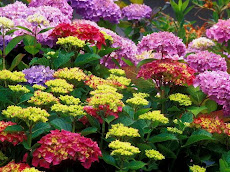
In your "quiet" garden, try lavender, and some tea roses for scent and beauty. Pansies with their tiny faces are a joy to behold when you just want to sit and rest. There are plants just made to attract butterflies and hummingbirds. These will add quality to your "quiet" garden as you marvel at the beauty of nature and its wonder. Reading in this area is a summer time luxury.
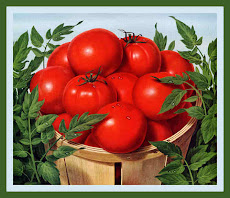
Teen agers might enjoy a "pizza" garden. Here is where you grow your heirloom tomatoes with their vibrant flavor and diversity of color. Add oregano, thyme, and some parsley to add to your meat toppings. If your teens love onions, garlic, and even green peppers on their pizza, add a few of these plants. Even teenagers will enjoy "picking" up their pizza ingredients.
Whatever your family enjoys and finds fun eating, you can incorporate it into small garden plots. The first rule of gardening - enjoy it and diversify. While fruits and vegetables are the main course of any garden, don't forget the flowers and decorative leaves for that dinner table centerpiece. In the fall, if you planned ahead and had your Halloween Garden in place, you can imagine the enjoyment of not ghosts and goblins but jack-o-lanterns right there at your finger tips, not to mention assorted gourds and squashes. There are even glow in the dark white pumpkins that shimmer in the moonlight. Gardening is fun, profitable, and a happy event. Enjoy. ©Arleen M. Kaptur April, 2009
Showing posts with label organic gardening. Show all posts
Showing posts with label organic gardening. Show all posts
Saturday, April 4, 2009

Sunday, March 22, 2009
Nature As Teacher-Gardener as Student
Gardeners are really very sage and knowledgeable people no matter their skill at the past time that they truly enjoy. It seems that life itself is in that warm soil heated by the rays of a brilliant sun and cooled by gentle breezes that relax, yet invigorate, calm yet bring new enthusiasm, and allow the gardener to reach new heights by stooping low and picking even pesky weeds and dead-heading blossoms.
When you head out to your garden area, it really does not matter the acres, yards, or even feet that is yours to maintain. In fact, it could be containers set on your patio, or a table facing the sun lined with pots of your favorite plants - this is your garden space and it is special indeed. While the place, size, and choice of plants is important to you, there are lessons to be learned and messages to be understood and taken to heart.
Gardens are not only stepping stones to life lessons, they are ladders that raise the playing field and allow inner beauty, sensitivity, and creativity to emerge and help bring about bountiful harvests and succulent food, one of life's necessities. Flowers allow you to take in the aroma of spring mornings, and summer delicacies. It is something as simple as taking a petal from a brilliant rose bloom and placing it in waxed paper and using it as a bookmark. This small gesture is thanks to the patch that adds so much charm and elegance to your day to day living, no matter the cir-cumstances or the voices on the evening news. A garden is your space to stop running and truly take the moment to smell the roses.
Some of the lessons that a garden will allow you to learn and experience is the ability to observe and not just look. You can stop and look at an emerald green pepper, or a magical ear of corn, but do you understand the forces that had to come about in order to produce this perfection of nature? Water could not do it alone, nor the sun. The roots that are hidden by the soil are not forgotten by the plant nor would the plant be there if it's past of seed, soil, and growth were not part of its history. Anyone can pass by and "see" the plants as they reach toward the morning sun, but a gardener cannot put aside the mysteries and the awe of what nature and man together can accomplish.
Understanding comes right along with trowel in hand and fingers that carefully pull the weeds but delicately press the soil around a stem. This understanding is that work is not drudgery and can, in its own right, be enjoyable and pleasurable. The gardener truly understands that learning is an on-going process and it never ends with the season. Plans are truly made in heaven and optimism convinces the flowers, herbs, fruits, and vegetables to give their all. With effort, a dry patch of dirt can be transformed into a living, breathing work of art. Barren is not an option but abundance and overflowing are words that come to life, with a gardener's cup always half full and reaching for more.
If you are gardening for the first time or for the tenth or twentieth season, each page of the calendar year brings new challenges, accomplishments, possibilities, and discoveries. As in life, nothing stays the same and if wind and rain tear down and destroy, the sun, man, and gentle care can cure and rearrange.
Something to think about
©Arleen M. Kaptur March, 2009
Gardening with Our Fine Feathered Friends
It's the time of year when everyone just wants to get outside and enjoy some warm weather. Garden catalogs are filled with colorful pictures of plants, trees, and shrubs. Ideas come from all over for landscaping your land to growing that perfect tomato or fragrant rose. Spring is the perfect time to enjoy the many birds that return to your area as they follow the seasons. They make the "outside" more fascinating and they can help you with your gardening chores.
You can have the best of both worlds - a luscious and bountiful garden and a paradise for birds of all species. It may take a bit of extra work, but the rewards, as the saying goes, are priceless.
Hummingbird feeders at both ends of your garden will give you the opportunity to view these tiny creatures as they zoom in and out. So tiny and yet so very busy all day long. If you have a pea trellis in your garden, you will not only attract the hummingbirds because of the white blossoms that are sweet and full of nectar, but other birds will join them. Bluebirds will perch on the trellis and their snack of choice is caterpillars. Their eyes will catch them and they will snatch them up quicker than you can. They get a taste treat and you get rid of some pesty critters.
A compost pile near your garden with attract a myriad of birds that look for bugs. Allowing the "weeds" in your compost pile to grow, especially those that produce seeds will keep the birds healthy and your garden safe as well.
While you may worry about damage from some birds sampling your garden victories, scattering a few "treats" will take care of any worries. Blue jays love peanuts and dropping a few in your garden aisles will satisfy their cravings. If blackbirds or ravens bother your corn stalks, leave some field corn on the outskirts of your garden and that will keep them busy and occupied outside of your garden space.
Other tips to keep birds nearby but your produce safe, use untreated wood for trellis items and wooden cages. Woodpeckers won't peck and other birds prefer trees to test their beaks on. Hallowed out gourds that you grew last year will blend in perfectly in your tomato patch if allowed to hang from a line just above your plants. The gourd will be hidden by the foliage of the plants, and soon the soft sounds of tiny birds will fill the air while you work in your garden. A perching post somewhere in your garden will give birds a perfect place to keep a keen eye over your hard work and eliminate pests for you. These morsels give them the nutrients they need and birds are great workers. They never tire and best of all - you don't have to pay them.
If you have the room in your garden, placing a bird bath in the middle, surrounded by a patch of gravel, sand, or plain soil will allow the birds a bit of relief from the noonday sun and heat, and the sand will keep lice out of their feathers. They are also a bit safer from predators kept out by your garden fence.
After the first hard frost many of us love to "clean up" the garden of the past year's vines, and leaves. If you enjoy birds, don't pull up the plants - this can be done next Spring. Grosbeaks, goldfinches, wrens, and even robins that may stay a bit longer than other birds will enjoy doing the "cleaning" for you. Cardinals, nuthatches, and woodpeckers will also thank you for the winter food supply. Whether it is left over herbs or even a green tomato left in a tomato cage, this will give them food when the snow covers the rest of the land.
Birds, like many of us, are creatures of habit. They know the "good spots" and are just a bit uneasy to try new places. However, they do venture and while they may not flock to your first attempt to attract them, they will find your garden and its added features that you included just for them. After that, you will be on their flight path and will enjoy their beauty, songs, and help for years to come. That's a great way to join with nature and enjoy the great outdoors.
Something to think about
©Arleen M. Kaptur March, 2009
Subscribe to:
Posts (Atom)